Pedal Your Way to Fitness: Why a Workout Bike is the Perfect Home Exercise Companion
In today's hectic world, sculpting out time for fitness can typically feel like a herculean job. Gym memberships collect dust, and outdoor workouts are at the grace of unpredictable weather condition and busy schedules. This is where the convenience and efficiency of home workout equipment shine, and amongst them, the workout bike sticks out as a flexible and accessible alternative for individuals of all fitness levels. Bringing a workout bike into your home is more than simply getting a piece of exercise equipment; it's buying your health, convenience, and overall well-being.
Workout bikes, likewise referred to as stationary bikes, have actually evolved considerably from their clunky predecessors. Modern home workout bikes are sleek, highly advanced, and developed to deliver reliable cardiovascular exercises within the convenience and personal privacy of your own space. Whether you are a seasoned professional athlete looking for supplementary training, a newbie taking the very first steps towards fitness, or someone looking for a low-impact exercise option, a workout bike can seamlessly incorporate into your way of life and fitness goals.
This post will dive into the world of home workout bikes, exploring the various types available, the various benefits they provide, and the key elements to think about when selecting the ideal bike for your home. We aim to equip you with the understanding to make an informed choice and start a fulfilling journey towards much better health and fitness, all from the benefit of your home.
Exploring the Diverse Landscape of Workout Bikes
The term "workout bike" includes a range of designs, each catering to various needs, choices, and workout designs. Comprehending these distinctions is vital when selecting the ideal equipment for your home. Here are some of the most popular kinds of workout bikes readily available for home usage:
- Upright Bikes: Resembling traditional road bikes, upright bikes offer a familiar cycling posture. They engage your core and leg muscles efficiently and are outstanding for basic cardiovascular exercises. Upright bikes typically come with adjustable resistance levels and can be a fantastic starting point for beginners. They tend to have a smaller footprint, making them suitable for homes with limited space. However, they can put more pressure on the wrists, hands, and lower back compared to other types.
- Recumbent Bikes: Designed for convenience and assistance, recumbent bikes include a pail seat with back support and pedals positioned in front of the body. This reclined position reduces pressure on the back, joints, and wrists, making them ideal for people with back problems, joint discomfort, or those looking for a low-impact workout. Recumbent bikes use a comfortable and stable trip, enabling longer workout sessions. While Exercise Bicycles might engage the core less directly than upright bikes, they still supply excellent cardiovascular advantages and leg muscle conditioning.
- Spin Bikes (Indoor Cycling Bikes): Inspired by studio cycling classes, spin bikes are developed for intense, high-energy exercises. They usually feature a much heavier flywheel and a direct drive system, which offers a smooth and tough cycling experience that carefully mimics outdoor road cycling. Spin bikes typically have very little consoles, focusing on resistance and performance metrics. They encourage an aggressive, forward-leaning posture, engaging core muscles and facilitating effective leg workouts. They are a popular option for users looking for to reproduce the intensity of a spin class at home.
- Air Bikes (Assault Bikes): Also understood as fan bikes, air bikes use a distinct full-body workout. They utilize a big fan to create resistance, which increases proportionally to your effort-- the more difficult you pedal and push/pull the handlebars, the higher the resistance. This dual-action system engages both upper and lower body muscles at the same time, supplying a highly effective cardiovascular and strength-building workout. Air bikes are known for their demanding nature and are often favored for HIIT (High-Intensity Interval Training) and cross-training.
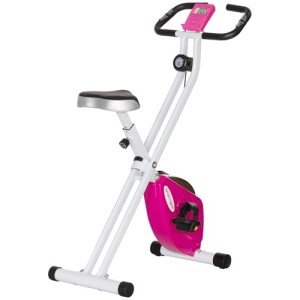
- Folding Bikes: For those particularly constrained by space, folding workout bikes use a practical option. These bikes are developed to be easily folded and saved when not in usage, making them perfect for homes or smaller sized homes. While they may often jeopardize on some functions discovered in larger designs, folding bikes can still offer a decent cardiovascular workout and are an excellent option for maximizing space performance.
The Multifaceted Benefits of a Home Workout Bike
Purchasing a workout bike for your home brings a wealth of benefits that extend beyond simply physical conditioning. Let's check out some key benefits:
- Unparalleled Convenience and Accessibility: Perhaps the most substantial advantage is the sheer benefit. A workout bike eliminates travel time to the gym and enables you to exercise whenever you have an extra minute, regardless of weather or gym schedules. Whether it's a quick morning trip, a lunch break session, or an evening workout, your fitness is always readily accessible.
- Improved Cardiovascular Health: Workout bikes are outstanding tools for improving cardiovascular health. Routine cycling enhances the heart, improves blood flow, and decreases blood pressure. Consistent bike workouts can substantially reduce the danger of heart problem, stroke, and other cardiovascular conditions.
- Effective Weight Management and Calorie Burning: Cycling is an extremely efficient calorie-burning activity. Workout bikes allow you to manage the intensity and period of your workouts to successfully add to weight reduction or weight maintenance goals. Combined with a well balanced diet, regular bike workouts can assist you shed unwanted pounds and accomplish a healthier body composition.
- Low-Impact Exercise, Gentle on Joints: Compared to high-impact activities like running or jumping, cycling is a low-impact exercise. This makes it mild on joints, especially knees, ankles, and hips. Workout bikes are for that reason an exceptional alternative for individuals of any ages and fitness levels, including those with joint discomfort, arthritis, or recovering from injuries.
- Muscle Toning and Strengthening: While primarily a cardiovascular exercise, cycling likewise engages and reinforces different muscle groups, particularly in the legs and core. The pedaling action works your quadriceps, hamstrings, calves, and glutes. Maintaining correct posture during workouts also engages core muscles, adding to total strength and stability.
- Tension Reduction and Mental Well-being: Exercise is a known stress reliever, and cycling is no exception. Engaging in regular bike workouts can release endorphins, which have mood-boosting effects. Exercise can ease tension, lower anxiety, improve sleep quality, and add to general mental well-being.
- Time Efficiency: Workout bikes allow you to maximize your time. You can combine your workout with other activities like watching television, listening to podcasts, or capturing up on your preferred programs. This multitasking aspect makes it much easier to include exercise into a busy schedule.
Navigating the Selection Process: Choosing the Right Workout Bike
With a large array of workout bike options readily available, choosing the perfect one for your home requires careful factor to consider of numerous aspects:
- Budget: Workout bikes vary in price from budget-friendly designs to high-end, feature-rich makers. Determine your budget ahead of time and explore alternatives within your price variety. Keep in mind to consider not simply the initial expense but likewise prospective long-term value and toughness.
- Readily available Space: Assess the area you have readily available in your home for a workout bike. Consider the bike's footprint and whether you need a compact or folding model if space is restricted. Guarantee you have adequate space around the bike for comfy and safe use.
- Fitness Goals and Intensity Level: Define your fitness objectives. Are you intending for basic cardiovascular fitness, weight-loss, high-intensity training, or low-impact rehabilitation? Your objectives will affect the type of bike best matched for you. Consider your current fitness level and whether you need a bike that can accommodate future progress and increasing intensity.
- Comfort and Ergonomics: Comfort is vital for consistent workout adherence. Consider seat comfort, adjustability of the seat and handlebars, and overall bike ergonomics. Evaluate out different kinds of bikes if possible to figure out which design feels most comfortable for your body.
- Resistance Type: Workout bikes employ numerous resistance mechanisms, including magnetic, friction, and air resistance. Magnetic resistance is normally peaceful and smooth, friction resistance can be more adjustable but might need more maintenance, and air resistance provides a special, effort-based resistance experience. Think about the kind of resistance you prefer and its influence on noise levels and upkeep.
- Functions and Technology: Modern workout bikes provide a variety of features, including consoles showing workout metrics (time, speed, range, calories burned, heart rate), pre-programmed workouts, Bluetooth connection for fitness apps, and even interactive virtual training programs. Determine which functions are very important to you and line up with your workout style and motivation.
- Durability and Build Quality: Invest in a workout bike developed with durable materials and a durable frame to ensure longevity and safety. Read reviews and consider brands known for quality equipment. A well-built bike will provide a more stable and reliable workout experience and will last longer, providing better worth for your financial investment.
Developing Your Ideal Home Workout Bike Space
Establishing a devoted and inviting workout area can substantially enhance your inspiration and workout experience. Think about these pointers when developing your home workout bike area:
- Location, Location, Location: Choose a location that is practical and ideally well-ventilated. A room with natural light or a view can be more motivating. Prevent confined or messy spaces.
- Flooring Protection: Place a workout mat under your bike to secure your flooring, decrease sound, and provide a steady surface.
- Home entertainment and Motivation: Position your bike dealing with a TV, window, or produce a devoted entertainment setup with music, podcasts, or streaming services to keep you engaged and inspired during exercises.
- Important Accessories: Keep water bottles, towels, and other workout basics within easy reach to ensure a smooth and comfy workout session.
Maximizing Your Home Workout Bike Sessions
To get the most out of your home workout bike, think about these ideas:
- Set Realistic Goals: Start with achievable workout durations and strength levels and slowly increase them as your fitness enhances. Setting practical goals avoids burnout and promotes consistency.
- Differ Your Workouts: Don't simply stick to the exact same regimen. Incorporate period training, hill climbs (adjusting resistance), and varied workout programs to challenge yourself and avoid plateaus.
- Appropriate Form and Posture: Maintain appropriate posture while cycling to prevent injuries and take full advantage of muscle engagement. Keep your back straight, engage your core, and prevent slouching.
- Stay Hydrated: Drink a lot of water in the past, during, and after your exercises to remain hydrated and enhance performance.
- Listen to Your Body: Pay attention to your body's signals. Do not press yourself too hard, especially when starting. Rest and recovery are just as important as the workouts themselves.
Frequently Asked Questions (FAQs) about Home Workout Bikes
Q: How frequently should I utilize my workout bike?A: Aim for at least 3-5 sessions weekly for ideal results. The period and intensity will depend upon your fitness level and goals. Start with shorter sessions and gradually increase the time and resistance as you get fitter.
Q: Are workout bikes helpful for weight reduction?A: Yes, workout bikes are excellent for weight reduction when combined with a healthy diet. Cycling burns calories successfully and helps develop a calorie deficit, which is important for weight loss.
Q: What is the difference between an upright and a recumbent bike for home usage?A: Upright bikes simulate traditional road bikes and engage core muscles more, while recumbent bikes use back assistance and a more comfy, low-impact workout, suitable for those with back or joint concerns.
Q: How do I keep my home workout bike?A: Regularly wipe down your bike after each use to get rid of sweat. Check and tighten any loose bolts occasionally. Lube moving parts as needed (refer to your bike's handbook for specific maintenance guidelines).
Q: Can I use a workout bike if I have knee problems?A: Yes, cycling is generally low-impact and gentle on the knees. Recumbent bikes are particularly knee-friendly due to their reclined position. Nevertheless, seek advice from with your doctor or physiotherapist if you have particular knee concerns before starting any brand-new exercise program.
Conclusion:
Bringing a workout bike into your home is a significant step towards prioritizing your fitness and health. With various types available to match different needs and spending plans, and a myriad of advantages varying from enhanced cardiovascular health to tension reduction, a workout bike offers a practical and effective course to attain your fitness goals. By considering your private requirements, space constraints, and preferences, you can pick the best workout bike and transform your home into your personal fitness sanctuary. Embrace the power of pedal-driven fitness and unlock a much healthier, better you, all from the convenience and convenience of your own home.